
Residential Evacuation Plans
Call 01246 439210 to get your Residential Evacuation Plan from Fire Safety Specialists Ltd and ensure your building is safe and meets all current fire safety requirements.
What is a Residential Evacuation Plan?
A Residential Evacuation Plan is a formal document to assess how particular residents can safely evacuate a residential building in the event of a fire. The plan combines the building’s evacuation strategy with arrangements for a specific resident who may need assistance.
Under the Regulatory Reform (Fire Safety) Order 2005, reinforced by the Fire Safety (Residential Evacuation Plans) (England) Regulations 2025, certain residents are now legally required to be offered these evacuation plans.
Updated Legal Requirements for Residential Evacuation Plans in England (2026)
Residential evacuation plans move from best practice to a legal requirement on the 6th April 2026 following changes to fire safety legislation introduced in response to the Grenfell Tower Inquiry. These reforms aim to improve evacuation safety, particularly for residents who may be unable to self-evacuate without assistance.
The Fire Safety (Residential Evacuation Plans) (England) Regulations 2025, made under the Regulatory Reform (Fire Safety) Order 2005, place new duties on Responsible Persons to ensure appropriate evacuation arrangements are documented and maintained. These regulations will come into force in April 2026, giving building owners and managing agents a defined compliance deadline.
Which Residential Buildings Must Comply?
The regulations apply only to “specified residential buildings” in England. The requirements apply to any of the following:
- Buildings over 18 metres tall. Measured from the ground to highest floor level
- Buildings with 7 or more storeys. Storeys below ground aren’t counted if any part of their ceiling is below the adjacent ground level. Mezzanines count as a storey if they are above ground and take up at least 50% of the floor area
- Buildings over 11 metres tall and which have a simultaneous evacuation strategy
The above items apply even if some parts or entire floors are not residential.
Who Is Legally Responsible for Compliance?
Responsibility for compliance rests with the Responsible Person, as defined under the Regulatory Reform (Fire Safety) Order 2005. This is the individual or organisation with control over the fire safety arrangements for the building’s common parts. This is typically the building owner, the freeholder, a managing agent or another party with control over the common parts of the building. Check out our other page on who is a Responsible Person.
Purpose of Residential Evacuation Plans
The purpose of a Residential Evacuation Plan is to quantify the risks to people who are not able to evacuate the building without assistance.
Residential Evacuation Plans help to:
- Support Responsible Persons in meeting their fire safety duties
- Demonstrate compliance with current fire safety legislation
- Identify risks to people who might not be able to evacuate a building unaided
- Mitigate those risks by making adaptations or purchasing extra equipment
- Create an emergency evacuation statement and share with the resident
- Provide all relevant information to the local fire and rescue authority
- Update the buildings Fire Evacuation Plan
Request A Quote
Areas We Serve | Professional Residential Evacuation Plans Across South Yorkshire and the rest of the UK
We regularly provide residential evacuation plan services in and around:
- Sheffield
- Manchester
- Birmingham
- Leeds
- Nottingham
- Barnsley
- Rotherham
- Doncaster
- Stockport
Our team frequently travels across the region and can support residential buildings of varying size and complexity. If your location is not listed above, call 01246 439210 to confirm service availability—our team will be happy to assist.
Ensure Your Building is Prepared and Compliant | Get a Residential Evacuation Plan from Fire Safety Specialists Ltd Today!
Call 01246 439210 today to get your Residential Evacuation Plan from Fire Safety Specialists Ltd and ensure your building and its residents are safe, well prepared, and fully compliant.
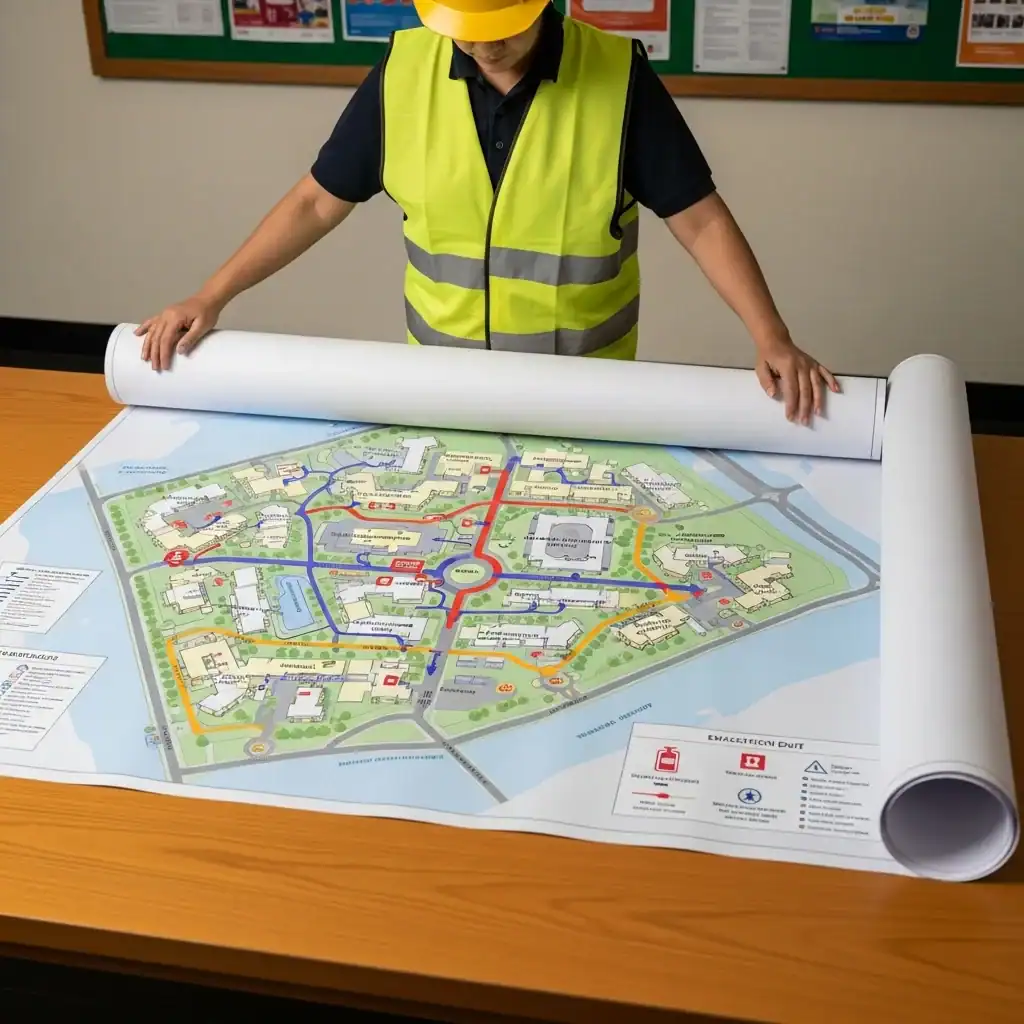
PEEPs and Residential Evacuation Plans – What’s the Difference?
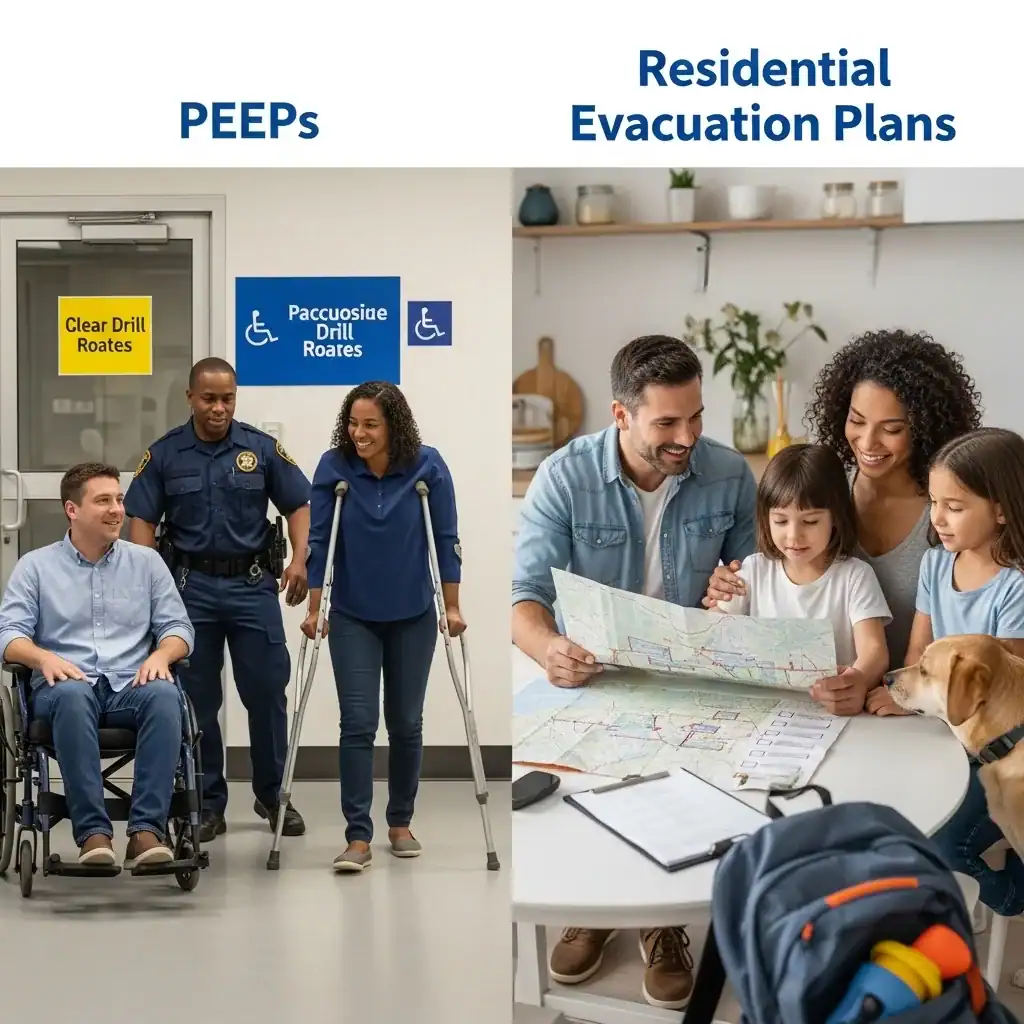
PEEPs relate to employees and specifically their employers responsibilities to ensure their safety. They require the business to make sure that all employees can evacuate the building in a fire. A lot of this relates to the Equality Act 2010 which forces employers to “make reasonable adjustments” to ensure that disabled people are not discriminated against. Such as during an emergency evacuation of the building.
The Fire Safety (Residential Evacuation Plans) (England) Regulations 2025 were brought in primarily because of the huge loss of life at the Grenfell Tower Fire. A lot of disabled residents were stuck in the tower because the lifts were faulty and they couldn’t get down the stairs. But also the rules on what a landlord could or should do were limited. Landlords aren’t allowed to question people about their disabilities before renting them a flat. Nor is anyone generally allowed in the flat whilst it's being rented. This new legislation clarifies that position by making the landlord (or other Responsible Person) offer one of these plans to all residents.
Trusted Residential Evacuation Plans by Fire Safety Specialists Ltd | Practical Support for Legal Compliance
With extensive experience in the fire safety field, our team understands both regulatory requirements and real-world building operations, ensuring evacuation plans are suitable, defensible and fit for purpose. Every plan is practical, structured and aligned with current fire safety legislation, giving Responsible Persons confidence in their compliance.
Call 01246 439210 today to schedule your free consultation and get your Residential Evacuation Plan by Fire Safety Specialists Ltd, ensuring your building and its residents remain safe, prepared and fully compliant with current fire safety legislations.
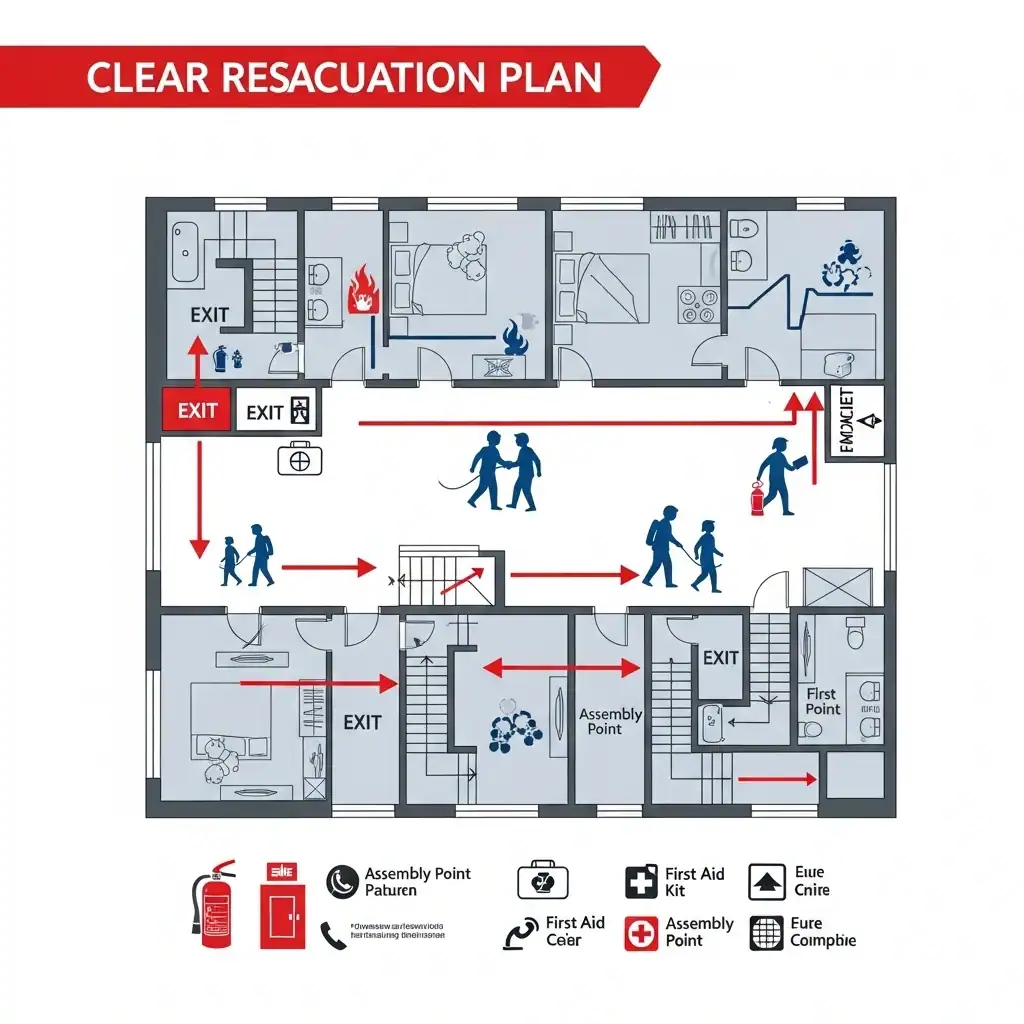
Our Proven 5-Step Process for Developing Residential Evacuation Plans
Compliance Review & Scope Confirmation
Building & Evacuation Strategy Assessment
Resident Considerations
Plan Development & Documentation
Review, Handover & Ongoing Support
Frequently Asked Questions About Residential Evacuation Plans
Buildings with 7 or more storeys. Storeys below ground aren’t counted if any part of their ceiling is below the adjacent ground level. Mezzanines count as a storey if they are above ground and take up at least 50% of the floor area.
Buildings over 11 metres tall that have a simultaneous evacuation strategy.
Alterations notice: which will either block a proposed change and/or require that the Responsible Person must submit any changes in advance and get agreement before starting.
Enforcement notice: giving the Responsible Person 28days or more to rectify any fire safety issues.
Prohibition notice: effectively closing the building until it is made safe. This would also include the relocation of all residents into hotels or other accommodations.