If you manage or own a residential building, few things raise concern faster than a fire risk assessment recommending a Grade A LD2 system. The words alone sound serious—and expensive. Many people pause at this point and ask the same question: "Do we actually have to install this, or is there another way?"
This guide by Fire Safety Specialists Ltd is written for that moment of doubt. We’ll walk through what these systems mean, when they are required, and how to make a decision that protects occupants without rushing into unnecessary upgrades.
This is the key question, so let’s answer it directly.
A Fire Risk Assessment (FRA) does not automatically create a legal order to install a specific alarm system. Instead, it identifies risks and recommends measures to reduce them. What matters is whether the recommendation is reasonable and proportionate to the risk.
In practice:
The law expects you to manage fire risk, not blindly install the highest-grade system every time. If a Grade A LD2 system is suggested, you are allowed to ask why, explore alternatives, and document your reasoning—provided occupant safety is not reduced.
You may also read: Fire Safety Information Pack - New Duties Under the Building Safety Act 2022
Before comparing systems, it helps to remember two basics:
"Grade" describes the type of fire alarm system, while "LD category" explains where detectors are installed.
The table below breaks this down without technical clutter.
| Term | What It Means in Simple Words | Where It’s Commonly Used | Why It Matters |
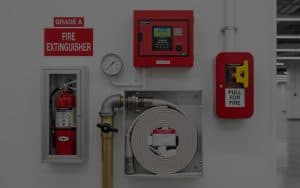
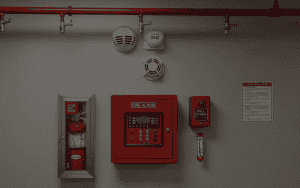
| Grade A | A full fire alarm system with a control panel, manual call points, alarm sounders, and backup power | HMOs, care settings, taller buildings, or higher-risk premises | Offers the highest level of monitoring and fault reporting but comes with higher installation and maintenance costs |
| Grade D | Mains-powered smoke and heat alarms with battery backup, all interlinked so they sound together | Flats, maisonettes, and small residential blocks | Provides strong life protection without the complexity of a panel-based system |
| LD2 | Detection in escape routes plus rooms or areas that present a high fire risk | Common areas, kitchens, plant rooms, rooms opening onto escape routes | Detects fires earlier before escape routes become blocked |
| LD3 | Detection in escape routes only, such as corridors, stairways, and landings | Low-risk buildings or smaller properties | Meets minimum protection but may give less warning if a fire starts in a room |
In practice, the real question is not which option sounds “better,” but whether a full panel-based Grade A LD2 system is actually needed, or if a Grade D LD3 or enhanced LD3 system already controls the fire risk effectively for the building in question.
This question causes ongoing confusion, especially in small residential blocks.
An LD2 system does not automatically mean detection everywhere. It means detection in:
In many buildings, those higher-risk areas are communal, such as:
Inside flats, kitchens are usually protected by heat detectors under standard domestic fire alarm arrangements. If a fire risk assessment states “LD2 in common areas only,” this can be valid where internal flat protection already meets the required detection level.
Always read the assessment scope carefully. LD2 does not mean more alarms everywhere—it means correct detection where risk exists.
You may also read: Do Extraction Ducts Need Fire Dampers?
This section is about taking control of the process without compromising fire safety. Questioning a recommendation is allowed—and often necessary—when it helps you reach a proportionate solution.
Challenging a recommendation is not refusal—it is responsible, risk-based fire safety management.
You may also read: 2026 Fire Risk Assessment Guide - What UK Businesses Need to Know
Not every building needs the highest-grade solution. For low-risk or small residential blocks, alternatives may offer the same protection without the cost burden.
Common alternatives include:
Each option should be backed by a clear fire risk assessment. The goal is control of risk, not system complexity.
The best system is the one that fits the building—not the one that looks most impressive on paper.
You may also read: Fire Safety for Mobility‑Impaired Residents in Basements and High‑Risk Flats
Cost is often the most sensitive part of a fire alarm upgrade. In residential buildings, responsibility usually depends on ownership structure and lease terms. Upgrades to common area fire alarm systems are typically the responsibility of the freeholder, with costs recovered through the service charge where the work is justified.
Work inside individual flats is often treated separately. If the upgrade relates only to a private dwelling, the leaseholder or landlord may be responsible, depending on the lease. Panel-based systems introduced following a fire risk assessment are commonly funded through the service charge, provided the system is proportionate and properly approved.
Before proceeding, always check the lease wording, service charge provisions, and whether a Section 20 consultation is required. Clear communication early on helps prevent disputes and delays later.
You may also read: Duties of the Responsible Person
Grade A LD2 systems are sometimes necessary—but they are not automatically required in every case. The right system depends on risk, layout, and occupancy. A justified alternative that still protects occupants can be acceptable when properly assessed and documented.
Fire alarm decisions sit at the intersection of safety, cost, and responsibility. The pressure to “just install what’s recommended” is understandable—but not always correct.
A well-managed building looks at the reason behind the recommendation, confirms whether the risk truly requires that level of protection, and chooses a system that meets fire safety duties without over-engineering. When in doubt, ask questions, seek clarity, and keep decisions grounded in real risk.
No. You must manage fire risk, but an alternative fire alarm system may be acceptable if it provides equivalent fire detection and protects each occupant. A recommendation in a fire risk assessment is not always mandatory.
Small blocks or flats may use an enhanced Grade D or Grade C alarm system, or an LD3 setup with added detection in higher-risk areas, where the overall fire detection system still controls the risk.
It depends on how a fire could affect the escape route. An LD2 system covers escape routes and higher-risk rooms, while LD3 covers escape routes only. The choice should follow a clear risk assessment.
Many small buildings are adequately protected with Grade D1 interlinked smoke alarms using mains power with battery backup. Higher-risk buildings or an HMO may need a higher-grade fire alarm system.
Yes. A kitchen should use a heat detector, while escape routes rely on smoke detectors. Using the correct detector type improves fire safety and reduces false alarms.