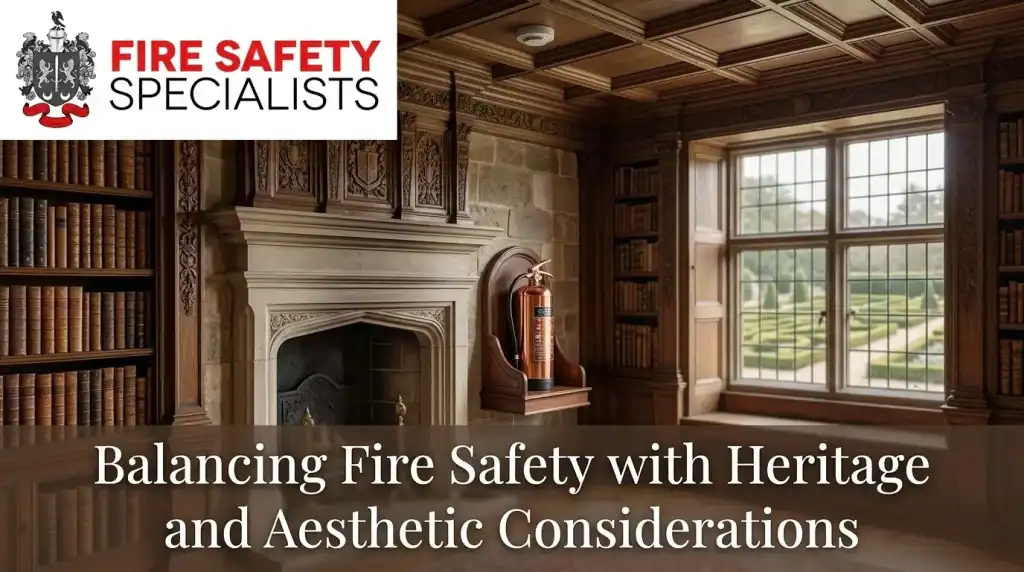
Historic buildings connect us to our past. They reflect culture, craftsmanship, and architectural heritage that cannot be replaced. Yet many of these structures were constructed long before modern fire safety standards existed. That means the fire risk in a heritage building is often higher than in a contemporary property.
Fire safety in heritage buildings is not just about compliance. It is about protecting people, preserving cultural assets, and maintaining historical integrity. A modern fire protection strategy must respect aesthetics while ensuring building safety. The challenge is finding the right balance between preserving history and meeting current fire safety requirements.
Protecting a heritage building requires planning and precision. The goal is simple: reduce fire risk without damaging architectural value.
In short, effective fire safety in heritage is proactive, practical, and carefully designed around the unique nature of historic buildings.
Fire safety in heritage buildings is critical because these structures are irreplaceable. Once damaged by fire, historical significance and architectural heritage cannot be fully restored. Cultural heritage sites often contain timber frames, decorative elements, and aged materials that are susceptible to fire.
A historic building also welcomes visitors, staff, or residents. Ensuring the safety of occupants must always come first. The risk of fire is not just about property damage. It is about human life and long-term community impact.
Beyond people, fire safety strategies protect cultural assets stored inside these properties. Paintings, archives, and historic furnishings are often lost permanently in the case of fire. That is why comprehensive fire safety planning is essential for safeguarding heritage for future generations.
Historic buildings face unique challenges that increase the risk of fire. Understanding them is the first step toward effective fire safety.
Recognizing these unique challenges allows building owners to take targeted action.
A fire risk assessment is the foundation of fire safety in historic buildings. It identifies potential fire hazards and evaluates how a fire could spread throughout the structure.
First, the assessment reviews structural elements, electrical systems, and combustible materials. Identifying fire hazards early reduces the likelihood of major damage. This step is crucial for effective fire safety planning.
Second, it ensures compliance with modern safety standards. While historic buildings were constructed long before modern fire regulations, they must still meet modern fire safety compliance requirements. A tailored fire risk assessment helps balance legal obligations with preservation goals.
Finally, the process leads to practical recommendations. These may include fire-resistant materials, upgraded fire detection systems, or improved evacuation routes. A tailored fire safety approach ensures modern protection without harming architectural heritage.
Modern fire protection does not have to damage historical integrity. The right measures enhance fire resistance while preserving aesthetics.
Key fire protection measures include:
These fire protection systems allow building owners to meet modern fire safety standards while safeguarding heritage.
Early detection is crucial for effective fire safety. Fire alarm systems and fire suppression systems work together to reduce fire risk.
| System Type | Purpose | Heritage-Friendly Option |
| Fire Alarm Systems | Detect smoke or heat early | Wireless detectors |
| Smoke Detectors | Identify fire hazards quickly | Low-visibility units |
| Fire Suppression Systems | Control flames before spread | Water mist systems |
Fire alarm systems provide immediate alerts, allowing faster evacuation and fire service response. Modern fire detection technology reduces false alarms and improves reliability.
Fire suppression systems enhance fire resistance by controlling flames before they escalate. In heritage sites, advanced fire suppression systems limit water damage, preserving historical integrity while improving building safety.
Balancing safety with preservation requires a delicate balance between preserving architectural heritage and meeting modern safety standards. The goal is not to replace historic character but to protect it.
First, choose non-invasive solutions. Wireless fire detection systems and concealed fire protection measures reduce structural impact. This approach to fire safety maintains visual authenticity.
Second, work closely with fire safety experts and conservation specialists. Collaboration ensures that fire safety strategies align with historical integrity and cultural heritage requirements.
Finally, focus on long-term planning. Regular fire drills, inspections, and updates to the fire safety plan help maintain compliance. Balancing fire safety and aesthetics is achievable with thoughtful design and professional guidance.
A clear fire safety plan strengthens protection and reduces confusion during emergencies. Here is a practical framework:
Developing a fire strategy ensures modern fire safety in heritage buildings without compromising architectural value.
Fire safety in heritage buildings requires thoughtful planning and expert execution. These historic and cultural structures face higher fire risk due to age and design. However, modern fire protection measures can reduce that risk without harming aesthetics.
Through tailored fire risk assessment, effective fire safety measures, and collaboration with fire safety experts, building owners can safeguard cultural assets and protect occupants. The balance between preserving history and ensuring safety is achievable with proactive fire safety planning.
Protecting heritage today ensures it stands strong for future generations.
Design considerations include using fire-resistant materials, installing discreet fire detection systems, maintaining architectural design, and ensuring safe evacuation routes. The approach must meet modern fire safety standards while preserving historical integrity.
The 4 P’s are Prevention, Protection, Preparedness, and Response. In heritage buildings, this means reducing fire hazards, installing fire protection systems, conducting fire drills, and coordinating with the fire service.
Risk assessment, fire detection, suppression systems, evacuation planning, and ongoing compliance form the core elements of comprehensive fire safety.
Fire risk assessments should be reviewed annually or whenever building use changes. Regular updates ensure continued fire safety compliance.
Mitigation involves tailored fire safety strategies, non-invasive fire protection systems, and collaboration with fire safety experts to maintain architectural heritage while ensuring building safety.
You may also want to read:
A Complete Guide to Fire Risk Assessments
Managing Fire Signage and Decorations in Communal Areas