Choosing the right fire protection consultant is a critical decision for any business or property owner. Their role goes beyond routine checks—they help ensure your building complies with UK fire safety laws, stays prepared for emergencies, and protects the people inside. A qualified consultant assesses potential fire risks, advises on safety procedures, and helps maintain legal compliance through regular reviews, safety training, and updated strategies.
Whether you manage a commercial space, residential block, or industrial site, the right consultant can identify potential fire hazards early, recommend realistic solutions, and prevent costly damage or injury. Their guidance supports effective fire safety management and gives you confidence that your comprehensive fire safety plan is working as it should under current fire safety measures and safety standards.
This guide from Fire Safety Specialists Ltd will help you understand what to look for when hiring a fire protection consultant, what services to expect, and how to choose someone who fits your building’s needs—so you can make a well-informed and confident decision.
Choosing a fire protection consultant isn’t just about qualifications—it’s about finding someone who understands your building, works to legal standards, and communicates clearly throughout the process. Before making your decision, there are several key factors you should evaluate to ensure you’re working with the right professional. These include:
When hiring a fire protection consultant, their qualifications and experience form the foundation of trust. These aren’t just credentials—they directly affect the quality of the work you receive. From how thoroughly risks are assessed to how effectively fire safety systems are designed, the consultant’s background plays a major role in long-term protection and legal compliance.
A qualified consultant will understand the latest UK fire safety regulations and how to apply them to different types of buildings. Their professional training ensures your fire strategy isn’t based on guesswork or outdated practices, but on proven standards that stand up to scrutiny from local authorities or enforcing bodies.
Always check for certifications from recognised UK fire safety bodies. Accreditation from organisations such as BAFE (British Approvals for Fire Equipment) and the Institution of Fire Engineers (IFE) signals that the consultant has met strict competency standards. These accreditations are more than just paperwork—they confirm technical skill, code knowledge, and a commitment to working within national fire safety frameworks.
Working with an accredited consultant also provides peace of mind that your fire risk assessments and safety plans will hold up during audits, insurance reviews, or enforcement inspections.
Credentials are essential, but real-world experience is just as important. A consultant who has worked on projects similar to yours will have a better understanding of your building’s risks, operational challenges, and legal obligations. For example, a care facility, a warehouse, and a residential block all have different fire safety needs. Hiring someone who has experience in your sector ensures they won’t miss details that others might overlook.
Ask for examples of past work, case studies, or references from similar clients. This not only helps confirm the consultant’s competence—it also gives insight into how they manage timelines, communicate with clients, and respond to challenges on site.
You may also read: What Qualifications Should a Fire Consultant Have in the UK?
Understanding the consultant's approach to fire safety is essential for ensuring that they provide a tailored solution to your building’s specific needs. This includes how they conduct regular fire risk assessments and implement safety systems.
A qualified fire risk assessor performs a detailed assessment to identify all fire hazards present in the building. They inspect layout, building materials, occupancy levels, and past incidents details. Based on this data, they recommend specific control measures to reduce or eliminate each risk.
A systematic assessment process ensures all hazards are addressed. This supports full compliance with UK fire safety regulations and helps prevent fire-related incidents.
An effective fire protection system includes alarms, sprinklers, fire doors, and evacuation planning. These systems are designed based on risk-specific data, such as fire load, escape times, and occupancy patterns.
Fire protection systems are effective when they prevent smoke and flame spread, allow safe evacuation, and operate reliably under real conditions. A consultant’s ability to design and integrate these elements is essential for ensuring legal compliance and protecting life and property.
The reputation of a fire protection consultant can give you a good indication of their capabilities. A consultant with positive client testimonials and a strong industry reputation is more likely to provide reliable and effective services. It also shows they’ve consistently met client expectations and delivered results across different building types. A strong track record builds trust and reduces the risk of poor advice or missed safety gaps.
Client testimonials are essential when evaluating a consultant's past performance. They provide first-hand insight into how the consultant works, communicates, and delivers results. Always request references from clients in similar industries or building types. This helps you assess whether the consultant has relevant experience and can meet the specific fire safety demands of your sector.
A strong industry reputation signals trust, professionalism, and consistent performance over time. Recognition by peers—such as memberships in the Institute of Fire Engineers (IFE) or awards from respected fire safety bodies—shows the consultant is active within the industry and respected for their expertise.
These indicators help confirm that you're working with someone who follows best practices and stays up to date with changing safety regulations.
You may also read: What to Ask Before Hiring a Fire Protection Consultant
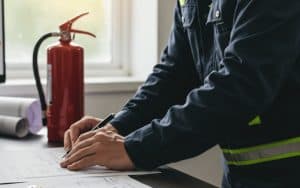
A reliable fire protection consultant must be able to communicate clearly and collaborate effectively. These qualities are essential for making sure fire safety systems are properly implemented and that everyone involved understands their role.
Strong communication and teamwork help align your staff, contractors, and building managers with safety goals and compliance requirements—reducing confusion and costly mistakes.
Fire protection consultants must communicate clearly and consistently. They should explain technical fire safety concepts in plain language and maintain regular updates with your team. This ensures everyone understands the fire evacuation plan, system designs, and ongoing responsibilities. Clear communication helps ensure the correct execution of emergency evacuation procedures and compliance with fire safety regulations.
During the implementation stage, consultants must coordinate with internal teams to verify that all fire safety systems, including passive fire protection elements, are correctly deployed. Roles and responsibilities should be clearly defined so that every team member understands their part in maintaining fire safety protocols. Collaboration improves implementation accuracy, maintains regulatory compliance, and strengthens the overall fire protection plan.
Before hiring a fire protection consultant, it’s important to understand what your building needs—and which services are best suited to address those needs. Fire protection isn’t one-size-fits-all, and choosing the wrong consultant can lead to missed risks, poor system integration, or non-compliance.
By identifying your fire safety priorities early, you’ll be in a better position to evaluate potential consultants and ask the right questions. A clear understanding at this stage makes the selection process easier—and helps you choose a consultant who can deliver exactly what your property requires.
Every building has unique fire safety risks based on its structure, layout, use, and occupancy levels. A care home will have different fire safety requirements than a warehouse, office block, or residential complex. High-risk environments may need detailed compartmentation surveys and evacuation plans, while lower-risk sites might only require periodic fire risk assessments.
Understanding your building’s specific risks helps you communicate clearly with potential consultants and ensures you hire someone experienced in similar settings. If you’re unsure where to begin, reviewing previous fire reports or conducting a simple walk-through can help flag areas that may need expert evaluation.
Fire protection consultants offer a wide range of services tailored to different buildings and operational needs. Choosing the right ones ensures your fire safety measures are complete, compliant, and ready to perform in an emergency. Here’s a breakdown of the most common services:
Fire Compliance Review: Confirms whether your building meets all current legal fire safety requirements. This helps prevent regulatory issues and avoid penalties.
Fire Strategy Reviews: Evaluates existing fire safety strategies, including escape routes, evacuation plans, and system integration. Ensures procedures are effective and up to date.
Fire Risk Assessments: A legal requirement under UK law. Identifies fire hazards, evaluates current precautions, and provides recommendations for improvement.
Fire Emergency Plans: Outlines how building occupants should respond in case of a fire. Includes evacuation procedures, assembly points, and communication protocols tailored to your site.
GEEPs (General Emergency Evacuation Plans): Designed to ensure safe evacuation for the general population within a building. These plans support overall emergency preparedness and legal compliance.
PEEPs (Personal Emergency Evacuation Plans): Custom evacuation plans for individuals who may need additional support—such as people with disabilities or limited mobility. These are a legal requirement in many settings.
Compartmentation Surveys: Assesses how well the building is designed to contain fire and smoke. Helps protect escape routes and slow the spread of fire through walls, floors, and ceilings.
Compartmentation Sample Surveys: Targets specific sections of the building to test the performance of fire barriers. Useful when full surveys are not practical.
Fire Door Audits: Checks seals, hinges, frames, and door integrity to ensure fire doors meet legal standards and perform properly in a fire.
Fire Risk Assessment Audits: Reviews the quality and accuracy of your existing fire risk assessments. Helps confirm they still reflect current risks and regulations.
FRAEWs (Fire Risk Appraisal of External Walls): Evaluates the materials used in external wall systems, including cladding and insulation. Ensures the façade meets fire safety standards and poses no added risk.
You may also read: Fire Consultancy Services for Landlords and Businesses
Not every consultant offers the full range of services listed above. Some focus on assessments only, while others manage broader safety strategies, technical reports, and on-site inspections. Hiring a consultant who can handle multiple aspects of fire protection helps ensure that all elements are properly coordinated.
When one professional manages everything from fire door audits to evacuation planning, you reduce the risk of miscommunication, delays, or gaps between systems. This kind of integrated approach not only saves time and cost—it also improves safety outcomes and helps you stay compliant with UK fire safety laws over the long term.
The value a fire protection consultant provides should be assessed alongside cost. A low-cost service may seem appealing upfront but often falls short if it fails to deliver compliance, long-term safety, or proper risk management.
Fire safety isn’t an area where shortcuts pay off—what looks like savings today can result in serious consequences tomorrow, including legal action, damaged property, or harm to occupants. In this field, investing in the right expertise is a decision that protects both people and business continuity.
It’s important to compare pricing across different consultants, but the real focus should be on what’s included in their service. A higher-cost consultant may offer a more complete package—covering fire risk assessments, compliance support, and system design tailored to your property.
These services contribute to long-term protection and can reduce future expenses related to system upgrades, legal penalties, or operational downtime.
True value lies in results. A competent consultant helps reduce risk, prevent property damage, and ensure your building meets all legal fire safety obligations. When fire protection systems are properly planned and maintained, they lower the likelihood of incidents and reduce liability.
A consultant who helps you avoid safety failures, improve readiness, and stay compliant can provide measurable savings over time—both financially and operationally.
Want to explore the hiring process in more depth? Visit our in-depth guide: Hiring a Fire Protection Consultant - UK Guide
Hiring the right fire protection consultant plays a key role in keeping your building safe, legally compliant, and prepared for emergencies. From identifying fire hazards to developing effective safety strategies, a competent consultant helps reduce risk, protect occupants, and ensure your systems meet UK fire safety regulations. When their qualifications and experience align with your building’s needs, you gain peace of mind knowing every aspect of fire protection has been handled correctly.
At Fire Safety Specialists Ltd, we offer trusted fire protection services to businesses across the UK. Our team of experienced consultants delivers detailed assessments, practical fire safety solutions, and tailored strategies that keep your property compliant and well-protected. As a reputable fire protection consultants serving Sheffield, Manchester, Rotherham and many other locations across the UK, we’re committed to providing honest advice, clear communication, and results you can rely on. Visit our website or call us today on +44 1246 439210 to book a consultation or learn more about how we can support your fire safety goals.