Fire safety in rental properties is not optional. Smoke alarms and fire doors are essential safety features that protect lives and help limit damage during a fire. For landlords and managing agents, failing to meet fire safety requirements can lead to legal action, fines, and serious risk to occupants. For tenants, understanding their responsibilities helps ensure these systems work when they are needed most.
This guide by Fire Safety Specialists Ltd explains who is responsible for fire doors and smoke alarms, what the law expects, how much compliance can cost, and what actions to take if something goes wrong.
Landlords and managing agents are legally responsible for ensuring that fire doors and smoke alarms are installed, compliant, and properly maintained throughout a tenancy. These responsibilities exist to protect occupants and allow safe evacuation in the event of a fire.
Landlords must install smoke alarms in required locations and ensure they are working at the start of each tenancy. Where applicable, carbon monoxide alarms must also be provided. Any reported faults must be addressed promptly. For fire doors, landlords are responsible for ensuring doors meet fire resistance standards, close correctly, and are not damaged or altered.
Managing agents share these duties when acting on behalf of property owners. They are expected to arrange inspections, maintain records, and make sure fire safety standards are followed consistently across the property.
Landlords and managing agents are legally responsible for providing a safe living environment. This includes installing compliant smoke alarms, carbon monoxide detectors where required, and ensuring fire doors are correctly fitted and maintained. These responsibilities apply to single-let rentals, HMOs, and multi-unit buildings, although requirements may vary slightly by property type.
At the start of a tenancy, landlords must ensure all smoke alarms are installed, operational, and correctly positioned. Fire doors must close properly, have intact seals, and provide adequate fire resistance. Ongoing duties include arranging inspections, fixing reported faults promptly, and keeping records that demonstrate compliance. Managing agents acting on behalf of landlords share these duties and must ensure legal standards are met at all times.
You may also read: New Building Safety Duties for Freeholders and Managing Agents
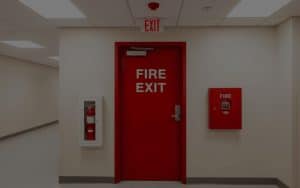
Tenants also play an important role in day-to-day fire safety. While they are not responsible for installation, they are expected to use safety equipment correctly and report issues.
Tenant responsibilities typically include:
Tenants are not expected to carry out repairs themselves. However, ignoring faults or tampering with safety equipment can place lives at risk and may breach tenancy agreements.
You may also read: Fire Safety Regulations for Landlords
Fire doors are designed to slow the spread of smoke and flames, giving occupants time to escape. In rental properties, especially HMOs and blocks of flats, fire doors are a critical legal requirement.
Fire doors must be repaired or replaced if they fail an inspection or no longer meet required safety standards. Common issues include warped or damaged door panels, missing or damaged intumescent seals, faulty or broken self-closers, gaps around the door frame, or incorrect installation. In almost all cases, the responsibility and cost for repairing or replacing non-compliant fire doors rests with the landlord or property owner, not the tenant.
Fire doors should be inspected on a regular basis, with higher-risk buildings such as HMOs and multi-occupancy properties requiring more frequent checks. Any identified defects should be addressed promptly. Failing to act on known fire door issues can lead to enforcement notices, fines, or prosecution, and may place occupants at serious risk during a fire.
You may also read: Fire Safety for Mobility‑Impaired Residents in Basements and High‑Risk Flats
Smoke alarms and carbon monoxide detectors are the first line of defence during a fire or gas incident. To remain compliant, landlords must follow clear rules.
Proper maintenance ensures alarms activate early, improving escape time and reducing injury risk.
You may also read: Do You Really Need Grade A & LD2 Detection Systems?
Understanding typical fire safety costs helps landlords plan ahead and budget for compliance, rather than dealing with unexpected expenses or enforcement action later.
| Fire Safety Item | Typical Cost Range | Who Pays |
| Standard smoke alarm | Low cost per unit | Landlord |
| Carbon monoxide detector | Low–moderate cost | Landlord |
| Fire door installation | Moderate–high cost | Landlord |
| Fire door replacement | Moderate–high cost | Landlord |
| Safety inspections | Variable | Landlord |
While costs vary depending on property size, layout, and location, investing in regular maintenance and early compliance is almost always more cost-effective than facing urgent repairs, fines, or legal penalties.
You may also read: How Much Does a Fire Risk Assessment Cost?

If a fire occurs, occupants should leave the property immediately using the safest available escape route and contact emergency services. Smoke alarms should always be taken seriously and never ignored, even if the cause appears minor, as early action can prevent serious harm.
After any fire or fire-related incident, landlords and managing agents must arrange proper inspections and complete any required repairs before the property is occupied again. This helps ensure that fire doors, smoke alarms, and other safety systems remain fully functional and compliant.
If a smoke alarm fails or a fire door becomes damaged, tenants should report the issue straight away. Landlords must respond without delay to restore fire safety standards. Prompt action reduces risk to occupants and demonstrates responsible, compliant property management.
You may also read: Do Extraction Ducts Need Fire Dampers?
Fire safety in rental properties is a shared responsibility, but legal accountability sits firmly with landlords and managing agents. Smoke alarms, carbon monoxide detectors, and fire doors must be installed, maintained, and inspected correctly. Tenants must test alarms, report issues, and use fire safety features as intended. When both sides understand their duties, properties remain compliant, risks are reduced, and lives are protected.
Meeting fire safety requirements does not need to be complicated. Clear systems, regular inspections, and prompt repairs are the foundation of compliance. Landlords who invest in proper fire safety measures protect their tenants, their property, and themselves from serious legal and financial consequences. Staying informed and proactive ensures rental properties remain safe, compliant, and fit for occupation.
In most rental properties, replacing a smoke alarm is the landlord’s duty when alarms fail, expire, or are legally required under local fire code. Tenants should report faults promptly to support fire prevention and help save lives.
The landlord or property owner pays to replace non-compliant fire doors, which are essential for fire protection and keeping a safe exit during a home fire.
Costs vary by door rating and building layout, but installation is typically a moderate to high expense covered by the landlord as part of fire safety compliance.
A tenant should test alarms regularly, avoid tampering, and report issues so owners can maintain smoke alarms and protect fire escape routes in the event of a fire.
Yes—most rental properties must have working fire alarms, and a carbon monoxide detector or carbon monoxide alarm is required near fuel-burning appliances to support fire prevention and timely action, including when to call 911.